Do I Need Help? Take Our Confidential Self Assessment Quiz Now. Take the Quiz
Do I Need Help? Take Our Confidential Self Assessment Quiz Now. Take the Quiz
One Year Sobriety Guarantee
Offering hope and recovery for individuals and families since 1987.

New Dawn’s addiction recovery programs have helped thousands of individuals in the Sacramento area successfully recover from substance abuse for nearly 30 years. Our Psychiatrists, Addiction Counselors and Master’s Level Therapists are experts in helping individuals overcome their addiction once and for all. Our relapse rates are extremely low, and we are one of the only addiction recovery centers in the country to offer a 1 year sobriety guarantee when completing the 90 day residential program. We offer residential treatment, intensive outpatient, detox, and PHP programs.

Call us Today for a Free Consultation 916-723-1319
Reach Out
Your Call is Always 100% Confidential
Program Options & Insurance Verification
Let us verify your insurance, so you know exactly what you are covered for.
Schedule Admission
Your journey toward freedom from your addiction can begin.
Our unique curriculum incorporates teachings of TJ Woodward's Conscious Recovery as well as Dr. Stephanie Covington's trauma-informed and gender-responsive programs.
New Dawn Complete Care: Full Continuum of Services
Intervention / Family Counseling
Medical Detox
Residential Program
Outpatient Services
Aftercare / Alumni Support
Living Life in Sobriety

What We Treat
New Dawn Treatment Centers are fully accredited and licensed substance use disorder facilities that provide individualized therapy for adult men and women. We have several locations throughout the Sacramento Region as well as Reno Nevada, providing treatment to those who need us most.
We treat for the following substances and more (not listed):
(Not all therapies are offered at all locations)

“I didn’t think treatment could make a difference for me. I was completely in denial about having a disease. Now I know that treatment works, and for the first time in my life I look forward to living life sober.”

Wonderful program, I felt like they really care about their clients. AMAZING FOOD, I felt like I was in a restaurant. Staff is friendly and professional. Great counselors. Thank you New Dawn.

I came to New Dawn broken, and was at rock-bottom. I left New Dawn with a solid foundation for long term recovery and a new lease on life. I stayed at the Loomis location for 30 days, and had access to many different types of theraputic tools- including: massage/exercise therapy, individual and family counseling, nutritional education/gourmet meals, art therapy, medication education, self reflection/DBT, support meetings about addiction, and yoga/meditation therapy.
I don't write reviews but I feel like this place was the real deal. I have been to rehab before and left after a week or so. This place was different. It seems like the counselors really care about you and like they really wa see you succeed. My insurance company tried to cut me off like three times and they went to bat for me. When I eventually got cut off after 31 or so days they got me set up in an outpatient program right by my house.
When I arrived broken and alone, I was welcomed by the staff with open arms and treated as a real person, not a sick patient. Who knew this little gem of wellness could be found nestled in the residential neighborhood of Orangevale? The clinicians, counselors and staff are there to serve one main purpose, to help those of us suffering from addiction transform our lives like the Phoenix rising from the ashes. New Dawn saved my life and I'll be forever grateful.

6380 Wells Avenue Loomis, CA 95650
24 hr Intake Line: +1 (916) 723-1319
Direct Office line: +1 (916) 603-5623

6039 Roloff Way Orangevale, CA 95662
24 hr Intake Line: +1 (916) 723-1319
Direct Office line: +1 (916) 989-1675

6043 Roloff Way Orangevale, CA 95662
24 hr Intake Line: +1 (916) 723-1319
Direct Office line: +1 (916) 989-1675

6045 Roloff Way Orangevale, CA 95662
24 hr Intake Line: +1 (916) 723-1319
Direct Office line: +1 (916) 989-1675

8780 Sherry Drive Orangevale, CA 95662
24 hr Intake Line: +1 (916) 723-1319
Direct Office Line: +1 (916) 987-1410
8782 Sherry Drive Orangevale, CA 95662
24 hr Intake Line: +1 (916) 723-1319
Direct Office Line: +1 (916) 987-1410

9960 Business Park Drive Suite 160 Sacramento, CA 95827
24 hr Intake Line: +1 (916) 723-1319

6371 Auburn Blvd Suite A Citrus Heights, CA 95621
24 hr Intake Line: +1 (916) 723-1319
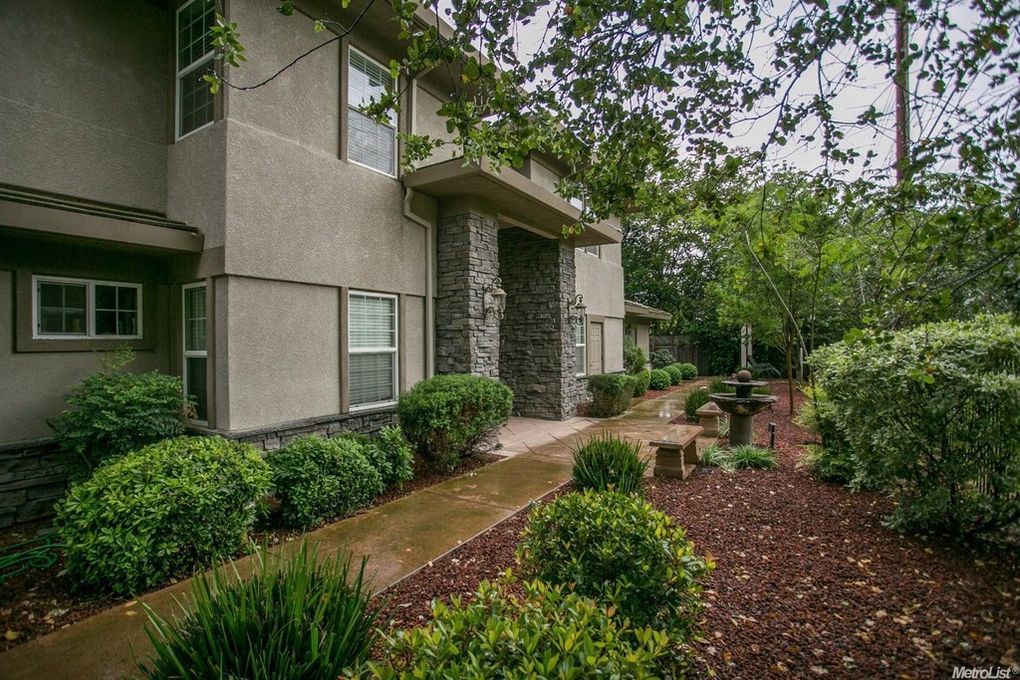
8078 Orange Avenue Fair Oaks, CA 95628
24 hr Intake Line: +1 (916) 723-1319
Direct Office Line: +1 (916) 603-5642

15140 Sylvester Rd. Reno, NV 89521
24 hr Intake Line: +1 (775) 964-4898

9381 E Stockton Blvd. Suite 102, Elk Grove, CA 95624
24 hr Intake Line: +1 (916) 723-1319
The New Dawn Difference
No Billing Surprises At the End of Treatment
Know Exactly What you are Covered For and How Long
Save Thousands by Choosing Us